News


Recent publications
Kapusta P., Stanek M., Woch M.W., Zubek S., Stefanowicz A.M. 2026. Pathways of soil change mediated by an invasive plant, Reynoutria japonica: rhizosphere versus litter effects. Plant and Soil in press. DOI
Clark J.S., Andrus R., Arianoutsou M., Ascoli D., Bergeron Y., Bogdziewicz M., Boivin T., Bonal R., Caignard T., Cailleret M. et al. 2026. Continental contrasts in climate extremes that control tree fecundity. Global Change Biology 32: e70738. DOI
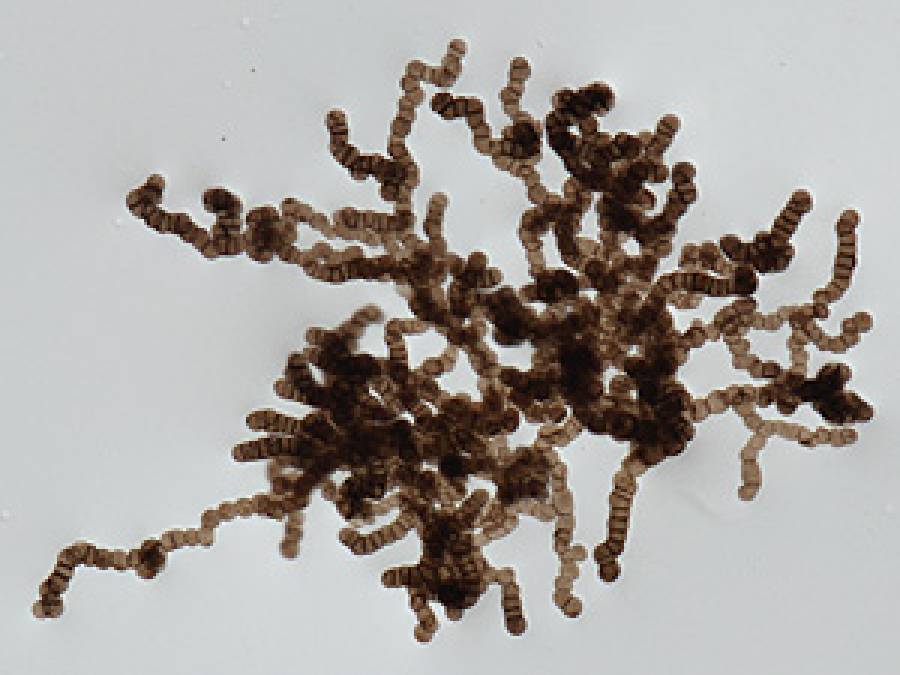
Worobiec G., Worobiec E., Widera M., Granoszewski W. 2025. Microsclerotia of dark septate endophytic fungi from Paleogene and Neogene of Poland: fossil record and palaeoenvironmental significance of root fungal endophytes. Fungal Biology 129: 101594. DOI
Cao B., Phurbu D., Ralaiveloarisoa A., Liimatainen K., Niskanen T., Ramírez-Cruz V., Bradshaw A.J., Dentinger B.T.M., Ramírez-Guillén F., Cortés-Pérez A. et al. 2025. Fungal diversity notes 1919–2016: taxonomic and phylogenetic contributions to fungal taxa. Fungal Diversity 132: 425–651. DOI
Chowaniec K., Zubek S., Zalewska‑Gałosz J., Stanek M., Skubała K. 2025. Mosaic of biological soil crusts and vascular plants contributes to the spatial heterogeneity of key soil properties at different successional stages of restored inland sand dunes. Plant and Soil 510: 603–626. DOI
Mazur E., Malíček J., Weerakoon G., Śliwa L. 2025. Flavonora: a new genus of lecanoroid lichens (Ascomycota, lichenized fungi). Scientific Reports 15: 43429. DOI
Mroczek P., Andersen N., Stachowicz-Rybka R., Poska A., Żarski M., Nitychoruk J., Suchora M., Kultys K., Pidek I.A., Bober A. 2025. Climatic and geological controls on the hydrological response of two neighbouring Eemian palaeolakes (Central Poland): A multi-proxy study. Catena 255: 109039. DOI
Barbacka M., Ziaja J., Gedl P., Pacyna G. 2025. Late Jurassic plant fossils from Wólka Bałtowska (HoLy Cross Mountains, PoLand). Annales Societatis Geologorum Poloniae 95: 119–140. DOI
Darmostuk V., Etayo J., Rodriguez-Flakus P., Kukwa M., Flakus A. 2025. Expanding the genus Neobaryopsis (Calcarisporiaceae, Hypocreales): descriptions of two new species and two new combinations based on morphological and molecular data. MycoKeys 124: 291–308. DOI
Golka W., Szechyńska-Hebda M., Kowalska J., Golka A., Grolik R., Jakubowska M., Góra M., Bomberski A. 2025. Selective protection of cereals using artificial neural networks. Journal of Plant Protection Research 65: 164–173. DOI